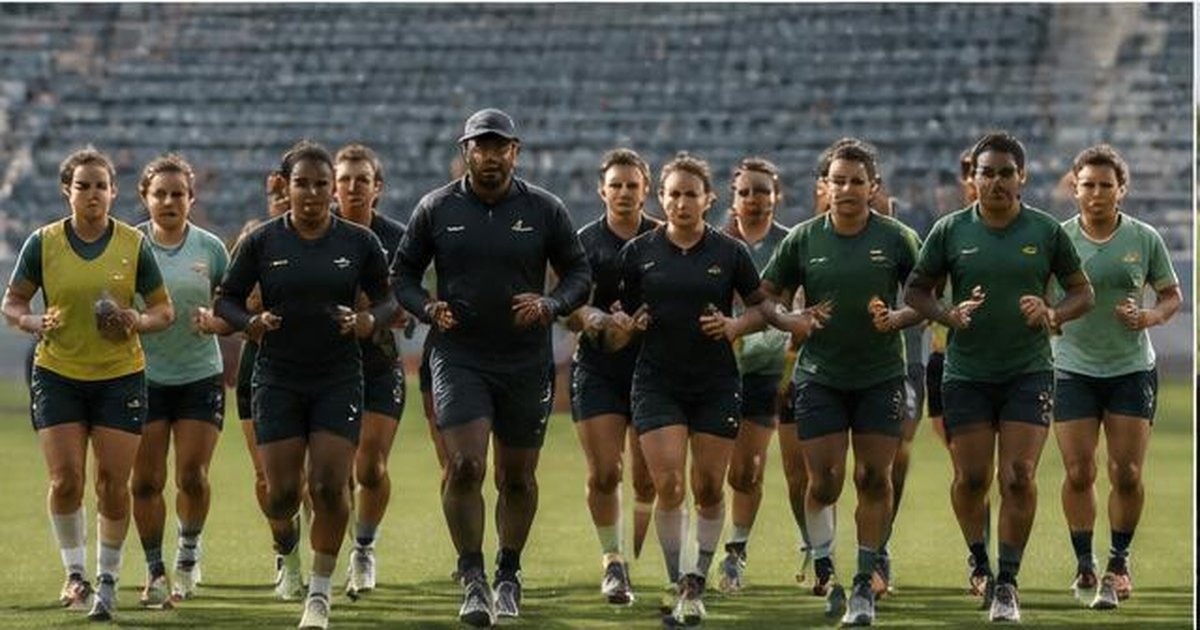
South African sport has debated "quotas" for three decades. This explainer sets out, factually, what the system actually is today: what the law says, how the transformation targets work, what happened in the famous court challenges, and what is — and is not — a legal "quota".
Quick facts
- What it is: A transformation framework for sport, driven mainly by the EPG (Eminent Persons Group) Transformation Status Reports and memoranda of understanding between national federations and the Department of Sport, Arts and Culture (DSAC) / SASCOC.
- Legal basis: The National Sport and Recreation Act 110 of 1998 and the Employment Equity Act 55 of 1998 (for workplaces). There is no law that imposes a racial quota on national team selection.
- The key court case: AfriForum v Cricket South Africa (2020, North Gauteng High Court) — the court found that quotas in national team selection are unlawful, but transformation targets (development pipelines, demographic representation goals) are lawful.
- The famous World Cup policy: Ahead of the 2015 Rugby World Cup, sports minister Fikile Mbalula set a target that national teams should field at least 50% "generic black" players by 2019, and threatened to withdraw government recognition and hosting rights from federations that failed to transform.
- What "generic black" means: In the EPG reports, "black" refers to African, Coloured and Indian South Africans — the same definition used in B-BBEE legislation.
- Funding consequence: Federations that fail their agreed transformation scorecards risk losing DSAC funding, SASCOC support, and the right to bid for or host major events.
Why does South Africa have a transformation policy in sport?
Under apartheid, sport was segregated by law. Black South Africans were excluded from mainstream federations, facilities and international teams; separate "non-racial" structures (like SACOS — the South African Council on Sport) ran parallel sport under the slogan "no normal sport in an abnormal society".
When South Africa was readmitted to international sport in 1991–1992, the playing fields were literally unequal: facilities, coaching and school sport infrastructure were concentrated in historically white schools and suburbs. The post-1994 policy answer was "transformation" — deliberately changing who gets access, development and selection, so that national teams eventually reflect the country's demographics.
The legal framework
The National Sport and Recreation Act 110 of 1998
This is the main sports law. It requires sport bodies to be non-discriminatory and gives the Minister of Sport oversight powers, including the ability to intervene where a federation fails to comply with recognised norms. It does not prescribe team-selection quotas.
The Employment Equity Act and B-BBEE
These apply to sport organisations as employers — coaching staff, administrators, board members — not to team selection on the field.
The EPG Transformation Reports
Since 2012, the Minister has appointed an Eminent Persons Group (EPG) to audit each major federation annually against a "Transformation Charter" scorecard. The scorecard measures things like:
- Demographic representation at national, provincial and academy level
- Access to facilities and development programmes
- Governance and leadership demographics
- Preferential procurement and skills development
Federations sign memoranda of understanding committing to targets. The EPG publishes a public "Transformation Status Report" rating each federation.
So are there quotas or not?
This is where public debate often goes wrong. Three different things get called "quotas":
- Hard selection quotas — a rule that a team must field a fixed number of players of a specific race. This is unlawful, as confirmed in AfriForum v Cricket South Africa (2020), where the High Court set aside race-based selection rules that functioned as rigid quotas at national level.
- Transformation targets — demographic goals for development pipelines, academies and teams over time, with funding consequences for missing them. These are lawful and are the current system.
- Development-level quotas — at junior and domestic level (for example, Cricket South Africa's franchise and provincial requirements that teams field a minimum number of black African players per match). These operate at domestic development level, not national team selection, and are framed as pipeline-building measures. They remain controversial and are periodically challenged.
Timeline
- 1991–1992 — South Africa readmitted to international sport (Olympics, FIFA, IRB).
- 1998 — National Sport and Recreation Act passed.
- 2003 — United Cricket Board and SA Rugby adopt early transformation charters.
- 2012 — First EPG Transformation Status Report published.
- April 2015 — Sports Minister Fikile Mbalula announces the "50% generic black by 2019" target for national teams and the threat to withdraw hosting rights from non-compliant federations.
- 2016 — Mbalula bans four federations (athletics, cricket, netball, rugby) from bidding for major events for failing transformation targets.
- 2020 — AfriForum v Cricket South Africa: the High Court rules that rigid racial quotas in national team selection are unlawful.
- 2021 onwards — The Springboks' 2019 and 2023 Rugby World Cup wins with transformed squads are widely cited by both sides of the debate — as proof transformation works, or as proof organic development beats quotas.
- 2026 — The EPG status-report system continues; debate continues over merit selection, school sport inequality, and whether targets should focus more on grassroots investment than senior team demographics.
The arguments, honestly stated
For transformation targets: Without deliberate intervention, unequal school and club infrastructure reproduces apartheid-era patterns. National teams should reflect the country. The targets push federations to invest in townships and rural development.
Against quotas: Rigid quotas can be unfair to individual players selected (or excluded) by race, can damage team performance and player confidence ("quota player" stigma), and treat symptoms rather than fixing unequal school sport. The courts have drawn the line here — targets yes, rigid quotas no.
What this means if you or your child plays sport
- No player can lawfully be selected or excluded from a national team purely by a fixed racial quota.
- Federations can set demographic targets and run development programmes aimed at under-represented groups.
- If you believe a selection decision was discriminatory (in either direction), you can complain to the federation, to SASCOC, or approach the courts or the South African Human Rights Commission (SAHRC).
- Transformation scorecards for each federation are published in the DSAC/EPG Transformation Status Reports — public documents anyone can read.
Official sources
- Department of Sport, Arts and Culture: https://www.dsac.gov.za
- EPG Transformation Status Reports: https://www.dsac.gov.za (published under "transformation reports")
- SASCOC: https://www.sascoc.co.za
- National Sport and Recreation Act 110 of 1998: https://www.gov.za/documents/national-sport-and-recreation-act
- South African Human Rights Commission: https://www.sahrc.org.za
This guide is general legal and policy information, not legal advice. Selection disputes in sport are fact-specific — consult an attorney or the SAHRC for advice on a specific case.