Quick facts: In August 2025 the United States imposed a 30% "reciprocal" tariff on most South African goods — the highest rate applied to any African country. The South African government estimates about 30,000 jobs are at risk; some exporters fear far more. The tariff hits citrus, wine, macadamia nuts and vehicle exports hardest. AGOA (the duty-free trade deal for African countries) was extended in September 2026, but it no longer shields most goods from the new tariff.
If you have heard that "America has put a 30% tax on South Africa" and wondered what it means for your job, your farm, or the price of things you buy — this guide explains it in plain English: what the tariff is, who it affects, what government is doing about it, and what it means for ordinary South Africans.
What is the US tariff on South Africa?
A tariff is a tax that a country charges on goods coming in from another country. The US buyer (importer) pays the tax when South African goods arrive at an American port, which makes those goods more expensive and harder to sell.
In April 2025, US President Donald Trump announced "reciprocal" tariffs on most of America's trading partners. After a pause for negotiations, a 30% tariff on most South African exports to the US came into effect in August 2025 — the highest rate applied to any country in sub-Saharan Africa.
This sits on top of other US duties that already applied, including the separate "Section 232" tariffs of 25% on imported vehicles, steel and aluminium, which hit South Africa's automotive and metals industries directly.
Important: Tariffs are not paid by the South African government or by SARS. They are paid by the American importer at the US border. But the pain lands in South Africa, because US buyers order less when our goods become 30% more expensive.
Which South African industries are affected most?
The US is one of South Africa's biggest single-country trading partners. The industries most exposed are:
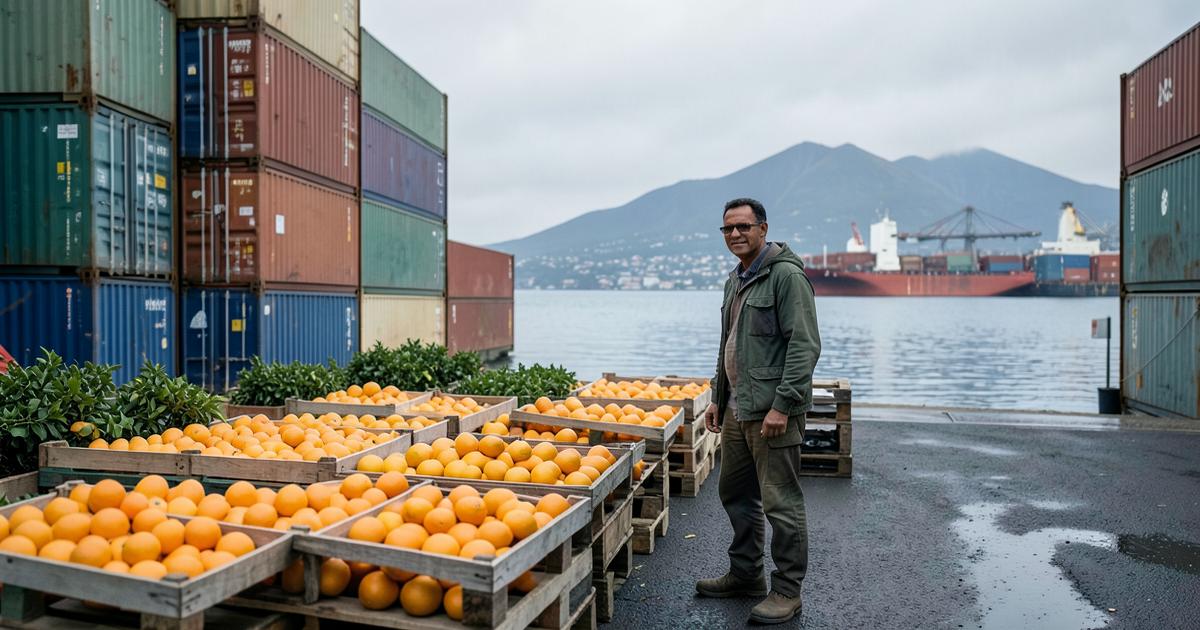
- Citrus fruit — South Africa is one of the world's biggest citrus exporters, and the US is a key market for Western Cape and Eastern Cape oranges, lemons and soft citrus. The tariff landed just as the citrus export season was underway.
- Wine — the US is a major market for South African wine, and a 30% price increase makes it hard to compete with wines from countries facing lower tariffs.
- Macadamia nuts and other agricultural products — including nuts, fruit juices and canned goods.
- Vehicles and vehicle parts — South Africa builds cars (including BMW and Mercedes-Benz models) for export to the US. These already faced the 25% Section 232 auto tariff.
- Steel, aluminium and ferro-alloys — also subject to the separate US metals tariffs.
Industries like platinum and gold are largely exempt from the reciprocal tariff, which softens the blow for mining.
How many jobs are at risk?
The South African government has estimated that around 30,000 jobs could be affected by the 30% tariff. Some exporters — particularly in the Western Cape's citrus and wine industries — have warned the real number could be much higher, with figures of up to 100,000 jobs mentioned when seasonal farm work is included.
Job losses would be concentrated in:
- Farming regions such as the Sundays River Valley (Eastern Cape), the Western Cape citrus belt, and Limpopo and Mpumalanga fruit-growing areas
- Wine-producing districts around Stellenbosch, Paarl and the Breede Valley
- Automotive plants and their supplier networks in the Eastern Cape and Gauteng
- Packing, logistics and export services that support these industries
Because South Africa already has one of the highest unemployment rates in the world, even tens of thousands of lost jobs is a serious blow to affected towns.
What is AGOA and what happened to it?
The African Growth and Opportunity Act (AGOA) is a US law, first passed in 2000, that allowed eligible African countries — including South Africa — to export thousands of products to the US duty-free (without import taxes). It was a major support for South African car exports, fruit, wine and clothing.
AGOA expired on 30 September 2025. After months of uncertainty, US President Donald Trump signed an extension of AGOA in September 2026, keeping the programme alive — reportedly to the end of 2028 — with South Africa retaining access. However:
- The extension is far shorter than the 15-year renewal South Africa and other African countries wanted, so long-term uncertainty remains.
- The 30% reciprocal tariff applies on top of AGOA preferences for many goods, so AGOA's benefit is greatly reduced for affected products.
- South Africa's continued eligibility is reviewed by the US, and some US politicians have called for South Africa to be removed over foreign-policy disagreements.
How does this affect ordinary South Africans?
Even if you don't work on a farm or in a car plant, the tariffs can affect you:
- Jobs and wages — fewer export orders mean fewer shifts, less overtime, and job losses in farming towns and factory areas. Families who depend on one farm or factory income feel it first.
- The rand — trade shocks can weaken the rand. A weaker rand makes imports more expensive: fuel, electronics, medicines and anything priced in dollars can cost more.
- Food prices — if export farmers switch crops or go under, local supply and prices can shift over time.
- Government revenue — lower company profits and fewer jobs mean less tax collected, which puts pressure on the budget for grants, health and education.
- Small businesses — businesses that supply exporters (transport, packaging, security, catering) lose contracts when export volumes drop.
What is the South African government doing about it?
Government's response has included:
- Negotiating with the US — submitting revised trade offers and seeking a bilateral deal to lower the tariff.
- An export support desk and support measures for affected companies and workers, announced by the Department of Trade, Industry and Competition (the dtic).
- Trade diversification — pushing harder into other markets, including the rest of Africa under the African Continental Free Trade Area (AfCFTA), Asia, the Middle East and Europe.
- Engaging the US on AGOA, which led to the September 2026 extension.
The Presidency has said South Africa must "adapt quickly in a turbulent trade environment" and reduce dependence on any single market.
What can affected businesses and workers do?
- Exporters should contact the dtic's export support measures, speak to industry bodies (such as the Citrus Growers' Association, Wines of South Africa, or naamsa for the auto industry), and explore alternative markets.
- Workers who lose their jobs because of tariff-related cutbacks may be able to claim UIF — see our guide to claiming UIF after retrenchment and our UIF claim guide.
- Job seekers can register on free government platforms — see our guide to free job-seeker support and the job seeker portal.
Timeline
- 2000 — AGOA signed into US law, giving African exports duty-free access to the US.
- April 2025 — Trump announces "reciprocal" tariffs on trading partners worldwide.
- August 2025 — the 30% tariff on most South African goods takes effect; government estimates 30,000 jobs at risk.
- 30 September 2025 — AGOA expires.
- September 2026 — Trump signs an AGOA extension (reportedly to end-2028); South Africa retains access, but the 30% tariff and Section 232 duties still apply.
Sources and further reading
- BBC News: Trump hits South Africa with 30% tariffs (1 August 2025)
- AP News: US tariffs put 30,000 South African jobs at risk
- Joint media statement by DIRCO and the dtic on South Africa's response to the US tariffs (4 August 2025)
- The Presidency: From the desk of the President, 4 August 2025
- Business Day: Trump signs AGOA deal (September 2026)
- US Congressional Research Service: African Growth and Opportunity Act overview
- the dtic — Department of Trade, Industry and Competition
Disclaimer: This guide is general information, not financial or legal advice. Tariff rates and trade negotiations change frequently — check official government statements and the sources above for the latest position.