How South African Elections Work: A Plain-English Guide
South Africa holds regular elections to choose the people who make decisions on our behalf. This guide explains the different types of elections, how votes are counted, how seats are allocated, and what happens when no single party wins a majority.
What elections does South Africa hold?
South Africa has three main types of elections:
- National elections — every five years, voters choose the 400 members of the National Assembly, which then elects the President
- Provincial elections — held at the same time as national elections, voters choose the members of each provincial legislature, which then elects the Premier
- Local government elections — held every five years, voters choose ward councillors and vote for a political party to represent them in municipal councils
National and provincial elections use a proportional representation system. Local elections use a mixed system of ward councillors and proportional seats.
Who runs elections in South Africa?
The Independent Electoral Commission (IEC) manages all elections in South Africa. The IEC is independent of government and political parties. Its job is to:
- Maintain the voters' roll
- Run voter registration
- Set up voting stations
- Count votes and announce results
- Resolve disputes about elections
The IEC website is elections.org.za.
How does the national ballot work?
On national election day, voters receive two ballot papers:
- National ballot — vote for a political party. These votes determine how the 200 national list seats are shared
- Regional ballot — vote for a party or independent candidate in your province. These votes determine the other 200 seats, allocated per province
The 400 seats in the National Assembly are filled according to the proportion of votes each party receives.
How are seats allocated?
South Africa uses a proportional representation system. A party that wins 30% of the vote gets roughly 30% of the seats. Independent candidates can also contest elections and receive seats based on their share of the vote.
The formula used is called the largest remainder method, but in plain terms: parties are awarded seats in proportion to the votes they receive, first in whole numbers and then the leftover seats go to parties with the highest remainders.
What is a coalition government?
A coalition happens when no single party wins more than 50% of the seats in a council or legislature. The parties then negotiate to form a government together. Coalitions are common in municipalities and can also happen at provincial or national level.
Coalitions can change between elections if parties withdraw their support, which may lead to a motion of no confidence and a new government being formed.
What happens on voting day?
- Voting stations open at 07:00 and close at 21:00
- Bring your original ID document — copies are not accepted
- An IEC official checks your name on the voters' roll
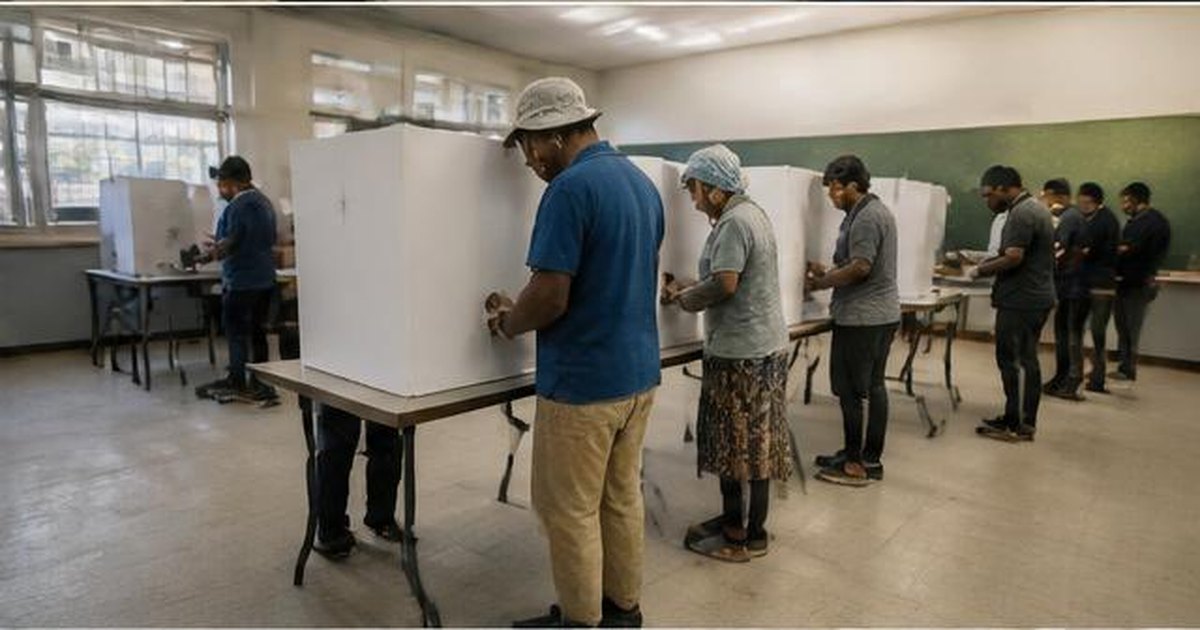
- You receive your ballot papers and mark them in secret behind a screen
- You fold the ballots and place them in the correct ballot boxes
- Your thumb is marked with indelible ink to show you have voted
You may only vote at the voting station where you are registered, unless you have applied for and received approval for a special vote.
How are votes counted and results announced?
After voting stations close, IEC officials count the ballots at each station in the presence of party agents and observers. The results are captured and sent to the national results centre. The IEC announces results as they are verified, usually within a few days.
Any party or candidate may object to results through the IEC's objections process or the Electoral Court.
Frequently asked questions
Can independent candidates stand for election? Yes. Independent candidates can stand for national, provincial, and local elections. They must meet the same nomination and signature requirements as parties.
What is the difference between a ward councillor and a PR councillor? A ward councillor is elected directly by voters in a specific geographical ward. A PR (proportional representation) councillor is elected from a party list based on the party's overall share of the vote.
How often are elections held? National and provincial elections are held every five years. Local government elections are also held every five years, but not at the same time as national elections.
Can I vote if I am outside South Africa? Yes, South Africans abroad can vote in national elections at designated South African embassies, high commissions, or consulates. You must apply for a special vote before the deadline.
What if my voting station runs out of ballot papers? The IEC is required to have enough ballot papers at every station. If a problem occurs, the presiding officer must arrange for additional materials. You can also report problems to the IEC hotline.