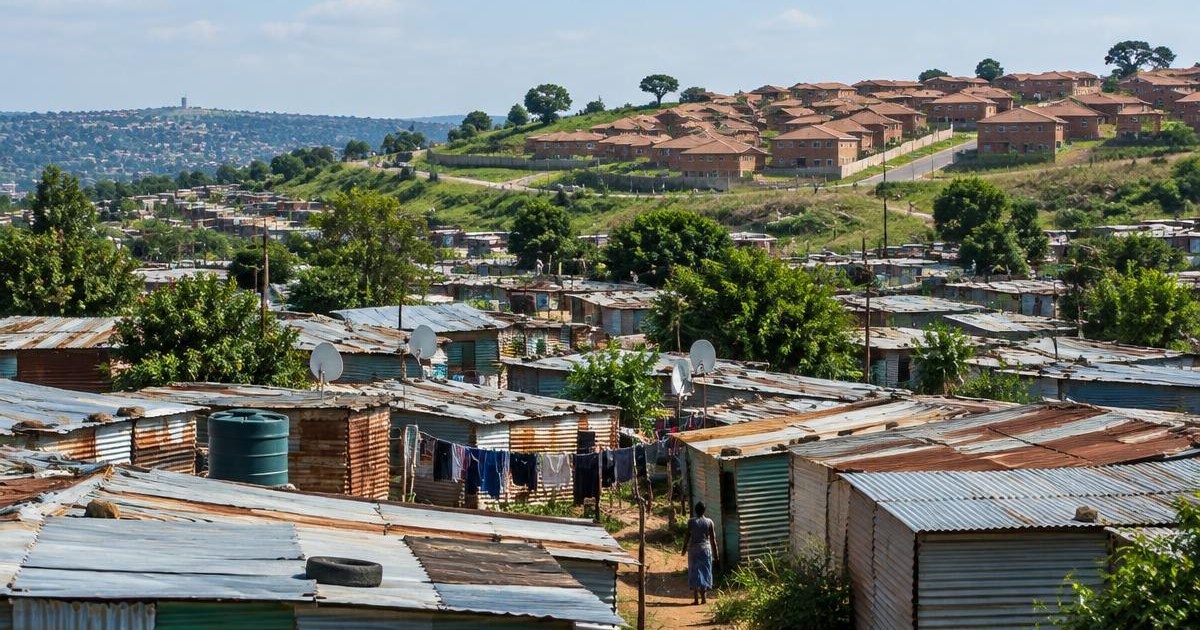
South Africa's Housing Shortage: What the Waiting Lists Really Mean
At a glance (28 September 2026): South Africa's housing shortage is real, but there is no single reliable number for everyone who needs a home. A housing register counts recorded applications, while Census 2022 counted people by the type of dwelling they occupied. Neither measures every overcrowded household or every person unable to afford a safe home.
Housing is about more than a roof. Where a home is built determines the cost of getting to work, whether a child can reach school, and whether water, sanitation and electricity can be provided reliably. South Africa has delivered millions of subsidised homes since 1994, yet demand continues to outpace supply in many places.
How large is the shortage?
Statistics South Africa's Census 2022 report says 8.1% of households lived in informal dwellings in 2022, down from 13.6% in 2011. This is evidence of improvement in the share of households living informally, not evidence that everyone has adequate housing. It also says nothing by itself about the safety, space or location of a formal dwelling.
Government housing-needs registers are different: they record people who applied for assistance, subject to how municipalities and provinces record, update and remove applications. Older local lists and the national register may contain different totals. A registration count is not a verified count of unhoused households, nor a guaranteed place in a single national queue. Compare claims about a “backlog” only when they name the register, date and definition being used.
Why are people still waiting?
- Urban demand grows. People move toward jobs while land with transport and services is scarce and expensive.
- Serviced land takes time. Houses need legal land access, water, sanitation, roads and power, not just bricks.
- Budgets and implementation vary. National transfers fund important programmes, but provinces and municipalities must plan projects and deliver them. Delays, weak contractors and infrastructure gaps can stall completion.
- Affordability leaves a gap. Some households earn too much for a fully subsidised house but not enough for suitable private housing near work.
- The legacy of spatial segregation remains. Building far from jobs may increase travel costs and perpetuate exclusion even when it adds a formal unit.
What help exists besides a new subsidised house?
Programmes include fully subsidised housing for qualifying households, upgrades to informal settlements, social rental housing and First Home Finance for qualifying first-time buyers who need help bridging an affordability gap. The name, eligibility and amount of a subsidy may change; check the current provincial human settlements department and the national department before paying or signing anything.
In-situ upgrading can bring services, tenure improvements and safer streets to an existing settlement rather than moving everyone to a distant site. It is not the same as promising each resident an immediate new house. Social housing, meanwhile, is rental accommodation rather than ownership.
How to check a housing application safely
- Ask your municipal or provincial human settlements office which register or project covers your area and how to apply or update your details. Take your ID and any application reference you have.
- Ask for a written reference or confirmation, and keep copies of dates and correspondence. Registration is not an allocation or a promised delivery date.
- Keep your contact and household details current. Ask the office how allocations are verified and how to challenge an incorrect record.
- Do not pay a person who promises to move you up a list. Confirm any fee directly with the responsible government office.
- If you face an eviction, get advice promptly: the SAHRC's guide to evictions explains the legal process and your rights. Registration on a housing list does not by itself prevent eviction.
For the application process, documents and eligibility, read our government housing guide. This article explains the wider shortage; it does not replace that practical guide.
What should the public watch?
Useful measures are homes and sites actually completed and occupied, settlement upgrades delivered, time from approval to occupation, access to reliable services, and transport costs from new developments. A budget announcement or registered-demand figure alone does not show whether families are living more securely.
Sources and further reading
- Statistics South Africa — Census 2022, basic service delivery report
- Department of Human Settlements — programmes and provincial contacts
- National Treasury — 2026 estimates of national expenditure, Human Settlements
- South African Human Rights Commission — evictions educational booklet
Important: Housing programmes, criteria and waiting-list systems differ by province and municipality. This independent article is general information, not a housing allocation or legal advice. Confirm your own status with the responsible office.