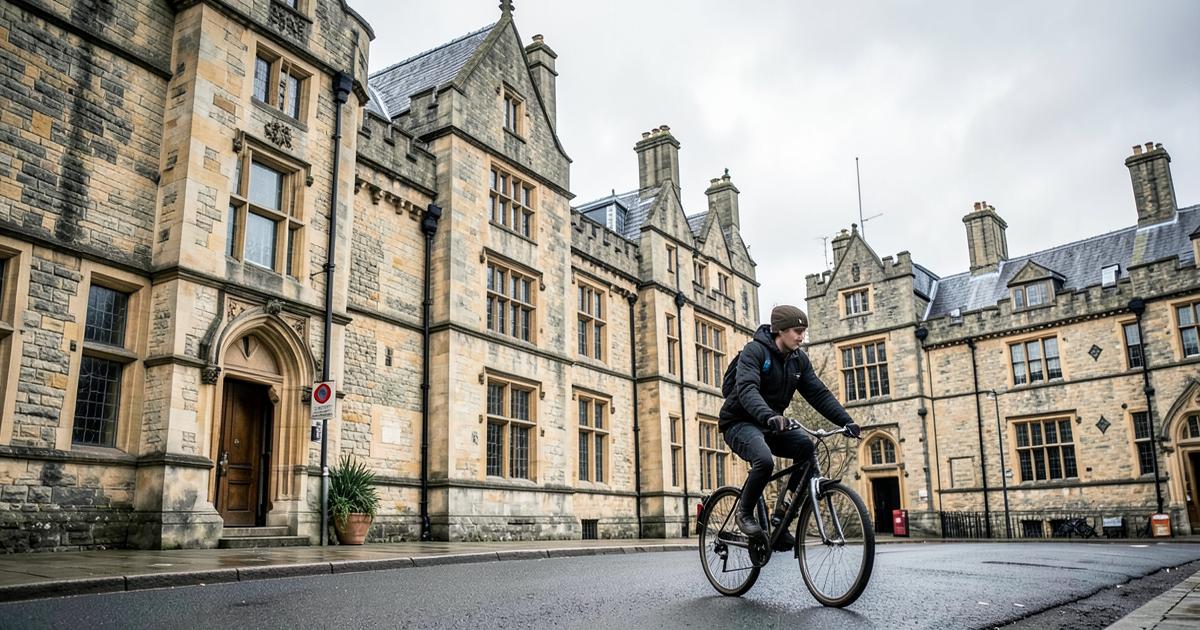
Studying in the UK as a South African
The United Kingdom is the most familiar system for South Africans: undergraduate applications go through UCAS, degrees are often shorter (three years for a bachelor's, one year for most master's), and the visa is the Student visa (previously Tier 4), sponsored by a licensed university.
Step-by-step
- Choose your course and check entry requirements. UK universities state NSC requirements directly — competitive courses ask for strong passes in specific subjects, and some may require a foundation year.
- Apply through UCAS for undergraduate study (up to five choices on one application, one personal statement, one fee). Postgraduate applications go directly to each university.
- Meet the deadlines. UCAS equal-consideration deadlines fall in January for most courses, with an earlier October deadline for Oxford, Cambridge, medicine, dentistry and veterinary medicine.
- Accept an offer (firm and insurance choices) and meet any conditions such as final NSC results or an English test.
- Get your CAS. The university issues a Confirmation of Acceptance for Studies — a reference number you need for the visa.
- Prove English where required with an approved SELT such as IELTS for UKVI, unless your university confirms an exemption based on your English-medium qualification.
- Show funds. You must generally hold the required money for 28 consecutive days, ending no more than 31 days before you apply — course fees for the first year plus living costs (£1,483 a month for up to 9 months in London, £1,136 a month outside London at the time of writing).
- Take a tuberculosis test at a UKVI-approved clinic in South Africa — required for stays over six months.
- Apply online for the Student visa, pay the application fee and the Immigration Health Surcharge (IHS), then give biometrics at a visa application centre.
- Travel. Students can usually enter up to one month before the course starts (or one week before for short courses).
Costs to budget
Approximate, and fees rise most years — confirm on gov.uk and the university's site.
- Tuition: roughly £12,000–£30,000 a year for international undergraduates; clinical degrees such as medicine cost substantially more. One-year master's degrees commonly fall in the £16,000–£35,000 range.
- Student visa application fee: around £524 when applying from outside the UK.
- Immigration Health Surcharge: £776 per year for students (and their dependants), payable upfront for the whole visa length — this gives access to the NHS.
- Living costs: the UKVI maintenance figures above are minimums; London realistically costs more.
- Tuberculosis test: roughly R1,500–R2,500 at an approved clinic.
- English test (IELTS for UKVI): about R4,500–R6,500.
Hidden costs: UCAS application fee, certifying and couriering documents, apostilles via DIRCO where required, flights, a rental deposit and often a UK guarantor or several months' rent upfront, bank charges and exchange-rate movement, and travel to Pretoria, Johannesburg or Cape Town for biometrics.
Working and staying after study
- Student visa holders studying a degree can normally work up to 20 hours a week during term and full time in vacations. Employment as a sportsperson or self-employment is not permitted.
- The Graduate route lets eligible graduates stay and work for a period after completing the degree (longer for PhD graduates). The UK has been reviewing and tightening this route, so confirm the current length and conditions before relying on it.
- Most students can no longer bring dependants unless they are on a postgraduate research programme or a government-sponsored course.
Funding
Look at university international scholarships, Chevening (UK government scholarships for master's study, with a strong track record for South Africans), Commonwealth Scholarships, and the Mandela Rhodes and Rhodes Scholarships for exceptional candidates. Apply for funding months before the course deadline — scholarship rounds usually close first.
Sources
- UK Home Office — Student visa (gov.uk/student-visa)
- UKVI — financial evidence and maintenance requirements (gov.uk)
- Immigration Health Surcharge (gov.uk/healthcare-immigration-application)
- UCAS — undergraduate applications and deadlines (ucas.com)
- British Council South Africa — study UK information (britishcouncil.org.za)
- Chevening Scholarships (chevening.org)
General information only, not immigration advice. UK fees, maintenance amounts and the Graduate route change regularly — verify on gov.uk before applying or paying.