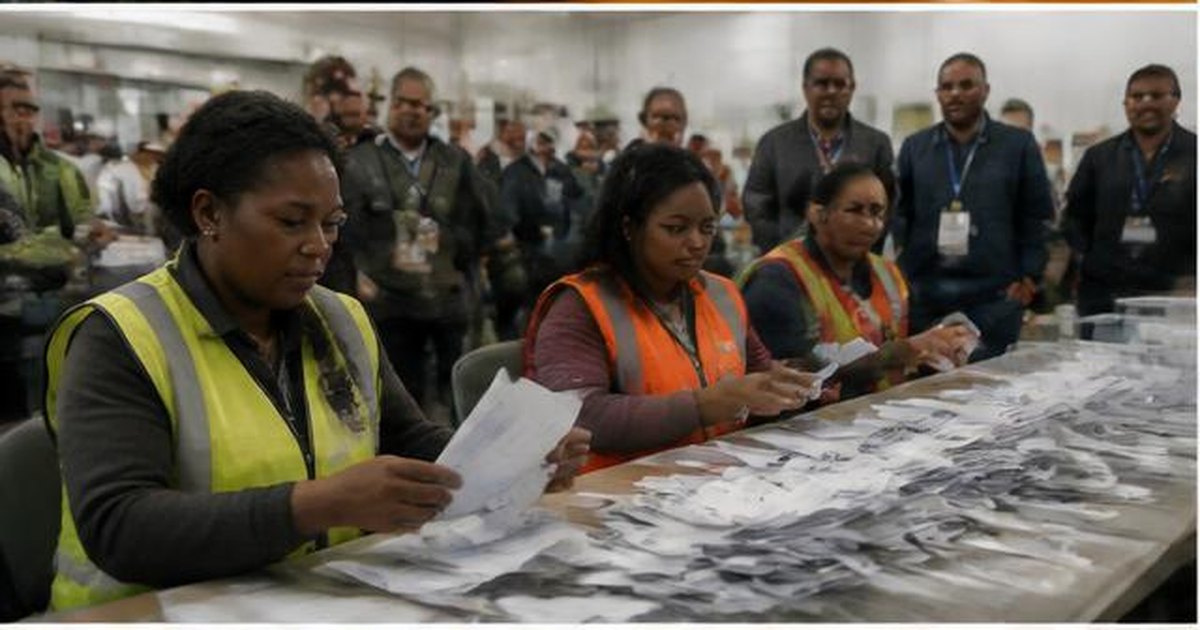
How to Object to Election Results in South Africa
If you believe something went wrong during an election, South African law gives political parties, independent candidates, and voters a way to object. This guide explains the process in plain English.
Who can object?
You can object if you are:
- A registered political party that took part in the election
- An independent candidate who stood in the election
- In some cases, a voter directly affected by a counting or procedural error
Objections are not general complaints about the outcome. They must be about specific mistakes, irregularities, or violations of electoral law.
What can be objected to?
Common reasons for objections include:
- A voting station opened late or closed early
- Ballot boxes were not sealed properly
- Counting errors or incorrect result slips
- Voter intimidation or violence at a station
- People voted who were not on the voters' roll
- Party agents were unfairly excluded
Where to lodge an objection
Objections are made to the Electoral Commission (IEC) during the results process. For national and provincial elections, objections can also be taken to the Electoral Court.
- IEC offices — during the results period after election day
- Electoral Court — for appeals or serious disputes
- High Court — in rare cases involving constitutional matters
What you need before you object
Before lodging an objection, gather:
- Your identity document or party registration details
- The voting station name and number where the problem happened
- A clear description of what went wrong
- Evidence such as photos, videos, signed statements from party agents, or copies of result slips
- The names and contact details of witnesses, if any
How to lodge an objection step by step
-
Act quickly Objections must usually be made within a few days after the results are announced. Check the IEC deadline for the specific election.
-
Complete the objection form The IEC provides an official objection form. Fill it in clearly and attach your evidence.
-
Submit to the correct office Hand the form in at the IEC office responsible for the area where the problem occurred. Keep a stamped copy or proof of delivery.
-
Wait for the IEC response The IEC must investigate and respond. It may correct a result, order a recount, or dismiss the objection.
-
Appeal if needed If you disagree with the IEC decision, you can appeal to the Electoral Court within the time limit stated in the IEC response.
What happens after an objection?
The IEC may:
- Dismiss the objection if there is not enough evidence
- Correct a clerical error in the results
- Order a recount at the affected station
- Refer the matter to the Electoral Court for a formal hearing
Frequently asked questions
Can an ordinary voter object? Ordinary voters usually object through a party or candidate they support. Direct voter objections are possible in limited cases, such as when the voter's own right to vote was affected.
How long does an objection take? The IEC usually resolves objections within days after an election because results must be finalised quickly. Appeals to the Electoral Court may take longer.
Does it cost money to object? Lodging an objection with the IEC is free. Court proceedings may have costs if you hire a lawyer, but you can also represent yourself or ask a party to take the matter forward.
What is the difference between an objection and an election petition? An objection is made soon after results are announced and is handled by the IEC or Electoral Court. An election petition is a later legal challenge to the validity of an election outcome.