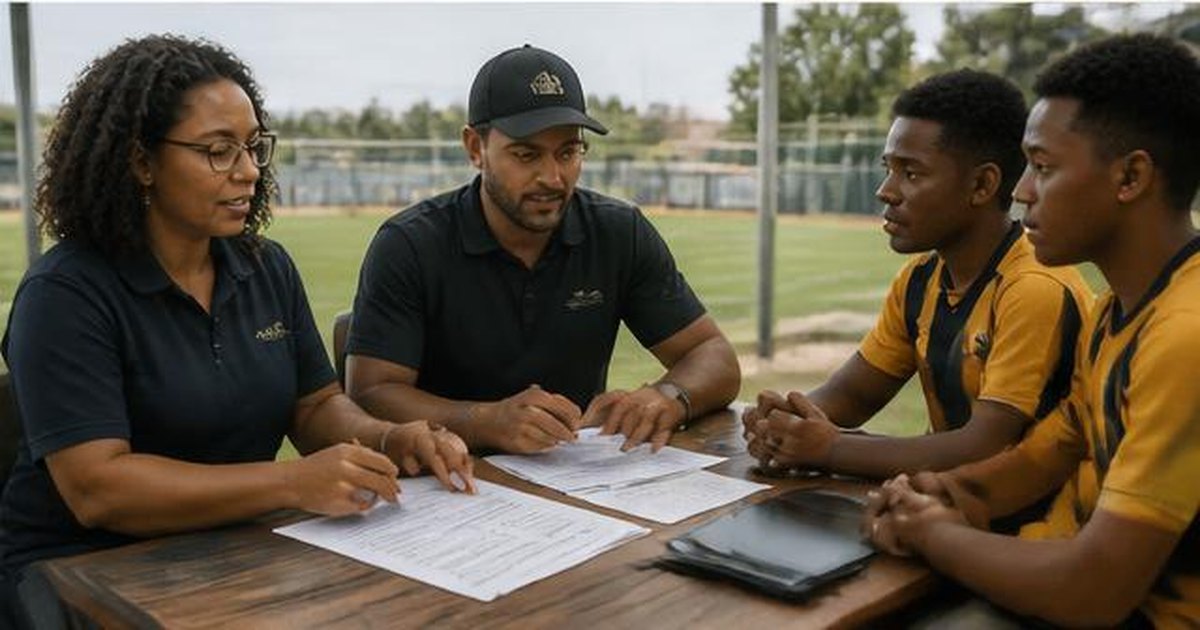
South African sport runs on more than ticket sales and broadcast deals. Behind community clubs, school tournaments and development programmes sits a set of tax provisions in the Income Tax Act 58 of 1962 that are designed to keep amateur sport affordable and to reward donations and sponsorship. This guide explains, in plain English, which tax benefits actually exist for sport in South Africa — who qualifies, and where the common misunderstandings lie.
Quick facts
- Amateur sport bodies: Can be fully exempt from income tax under section 10(1)(cO) of the Income Tax Act if sport is their sole or principal object and they operate not-for-profit.
- Donations: Donations to an approved Public Benefit Organisation (PBO) that promotes sport can be deducted from the donor's taxable income under section 18A, generally up to 10% of taxable income, with the excess carried forward.
- Sponsorships: Businesses can usually deduct genuine sports sponsorships as a marketing expense under the general deduction formula (section 11(a)).
- B-BBEE: Funding sports development can count towards the Socio-Economic Development element of a company's B-BBEE scorecard.
- Professional athletes: Prize money, appearance fees and sponsorship income are taxable. Professionals must register as provisional taxpayers and can deduct genuine business expenses.
- Foreign sportspersons: Payments to non-resident sportspersons performing in South Africa attract a 15% final withholding tax under sections 47A–47K of the Income Tax Act.
1. Income tax exemption for amateur sporting bodies
Under section 10(1)(cO) of the Income Tax Act, the receipts and accruals of an amateur sporting body are exempt from normal income tax, provided the body's sole or principal object is the promotion of amateur sport, it is not carried on for profit, and its funds are used for sporting purposes. In practice, most qualifying bodies register with SARS as non-profit entities and comply with the same governance rules that apply to other tax-exempt institutions (constitution requirements, no self-dealing, annual reporting through the Tax Exempt Institutions unit).
This is the provision that keeps most community rugby, netball, football and athletics clubs out of the income tax net — but it is not automatic. A body must apply to SARS for approval, and it can lose the exemption if it starts operating commercially or paying unreasonable remuneration.
2. Section 18A: tax-deductible donations to sport
The promotion of sport is a recognised public benefit activity in Part II of the Ninth Schedule to the Income Tax Act. A sport body that is approved as a PBO under section 30 and granted section 18A status can issue tax-deductible receipts to donors.
For the donor (an individual or a company):
- Donations with a valid section 18A receipt are deductible, generally up to 10% of taxable income in a year of assessment.
- Any excess above the 10% limit rolls over to the next year — it is not lost.
- The receipt must contain the prescribed details (PBO reference number, donor details, date, amount, and confirmation that the donation will be used for approved activities).
This is the single most useful "tax benefit in sport" for ordinary South Africans: if your child's club or a community sports development organisation has 18A status, your donation reduces your tax bill.
3. Sponsorship deductions for businesses
A business that sponsors a team, tournament or development programme can normally deduct the cost under section 11(a) read with section 23(g) — the general deduction formula — because the sponsorship is incurred in the production of income (brand exposure and marketing). Unlike a section 18A donation, a sponsorship is a commercial transaction: the sponsor receives advertising value in return, so no donation receipt is needed or appropriate.
Practical distinction SARS cares about:
- Donation — given for nothing in return, to an approved body, with an 18A receipt. Deductible up to the 10% limit.
- Sponsorship — paid for exposure (logo rights, naming, hospitality). Deductible as a business expense, subject to normal rules. VAT may also be claimable where the sponsor is a VAT vendor and receives a valid tax invoice.
4. B-BBEE recognition for sports funding
Under the Broad-Based Black Economic Empowerment Codes of Good Practice, contributions to sports development for black beneficiaries can be recognised under the Socio-Economic Development (SED) element of the B-BBEE scorecard. For companies, this makes funding township and school sport doubly efficient: a potential tax deduction, plus scorecard points that matter for government and corporate procurement.
5. Professional athletes: what is actually taxable
There is no general "tax benefit" for being a professional sportsperson in South Africa. The default position is:
- Prize money, match fees, appearance fees, image-rights income and sponsorship income are taxable as normal income.
- Athletes without full PAYE deducted must register as provisional taxpayers and make two (sometimes three) provisional payments a year.
- Genuine expenses of earning that income — coaching, gym and medical costs, agent fees, travel, equipment — are deductible if properly documented.
- Athletes who sign with overseas clubs may become non-resident for tax purposes or face double taxation; South Africa has double tax agreements with most sporting destinations, and specialist advice is essential.
6. Foreign sportspersons and entertainers: the 15% withholding tax
When a non-resident sportsperson or entertainer is paid for performing in South Africa, sections 47A–47K of the Income Tax Act impose a 15% final withholding tax on the gross payment. The South African payer (promoter, club or agent) must withhold and pay it to SARS. This is why visiting international teams and artists deal with SARS clearance before or shortly after events in South Africa.
7. What is not a tax benefit
- National Lottery funding for sport (through the National Lotteries Commission's distribution agencies) is a grant, not a tax deduction.
- Government grants from the Department of Sport, Arts and Culture are programme funding, not tax relief.
- Buying Springbok merchandise, paying school sports tours, or gym membership gives no personal tax deduction.
Where to check and apply
- SARS Tax Exempt Institutions (TEI) unit — approvals for amateur sporting bodies and PBOs, section 18A status, and annual IT12EI returns: https://www.sars.gov.za
- Income Tax Act 58 of 1962 — sections 10(1)(cO), 11(a), 18A, 30, 47A–47K and the Ninth Schedule: https://www.gov.za/documents/income-tax-act
- Department of Sport, Arts and Culture — funding programmes: https://www.dsac.gov.za
- dtic B-BBEE Codes — Socio-Economic Development element: https://www.thedtic.gov.za
FAQ
Can I deduct my donation to my child's rugby club from my tax? Only if the club is an approved PBO with section 18A status and issues you a valid 18A receipt. Ask the club for its PBO reference number — you can verify it on the SARS website. Donations are deductible up to 10% of your taxable income, with the excess carried forward.
Is my amateur football club automatically exempt from tax? No. The club must apply to SARS for approval as a tax-exempt amateur sporting body (section 10(1)(cO)) or as a PBO. Without approval, income such as bar sales or rental could be taxable.
Can a company deduct the cost of sponsoring a local team? Generally yes, as a marketing/advertising expense under section 11(a), because the sponsorship is incurred in the production of income. It does not need an 18A receipt — it is a business expense, not a donation. If the sponsor is a VAT vendor and the team supplies a valid tax invoice, input VAT may also be claimable.
Do professional athletes pay tax on prize money? Yes. Prize money, appearance fees and sponsorship income are taxable in full. Athletes usually register as provisional taxpayers and can deduct documented expenses such as coaching, travel, equipment and agent fees.
What tax applies when a foreign footballer or musician is paid to perform in South Africa? A 15% final withholding tax applies under sections 47A–47K of the Income Tax Act. The South African payer must withhold it from the gross payment and pay it to SARS.
Does funding sport help a company's B-BBEE scorecard? Yes — qualifying contributions to sports development for black beneficiaries count towards the Socio-Economic Development element of the B-BBEE scorecard, in addition to any tax deduction available.
Sources
- Income Tax Act 58 of 1962 (ss 10(1)(cO), 11(a), 18A, 30, 47A–47K; Ninth Schedule): https://www.gov.za/documents/income-tax-act
- SARS — Tax Exempt Institutions and PBO guidance: https://www.sars.gov.za
- SARS — Foreign entertainers and sportspersons withholding tax: https://www.sars.gov.za
- Department of Sport, Arts and Culture: https://www.dsac.gov.za
- Department of Trade, Industry and Competition — B-BBEE Codes of Good Practice: https://www.thedtic.gov.za
This article is general tax information, not personalised advice. Confirm current thresholds on sars.gov.za and consult a registered tax practitioner for decisions about your club, company or athletic career.